Are you looking for the best way to clean your laminate floors?
In this article, we will explore what laminate floors are, why it is important to clean them regularly, the different types of laminate floors, the essential tools needed for cleaning, step-by-step cleaning instructions, dos and don’ts of cleaning, and how to prevent damage to your laminate floors.
Stay tuned to discover the key tips and tricks for maintaining your laminate floors in pristine condition!
What Are Laminate Floors?
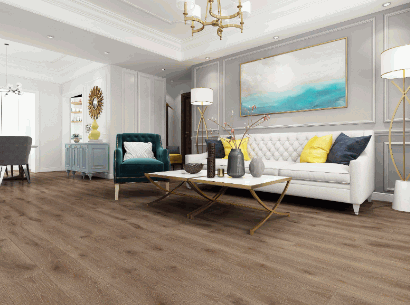
Laminate floors are a type of flooring that replicates the look of hardwood floors but with added durability due to the composite wood materials used in their construction.
Laminate flooring typically consists of multiple layers, with the top layer being a transparent wear layer that protects the floor from scratches, stains, and fading. The design layer beneath the wear layer is where the realistic wood grain patterns, textures, and colors are imprinted, giving laminate floors their striking resemblance to traditional hardwood.
One of the key advantages of laminate flooring is its ease of installation, as many laminate options feature a click-and-lock system that allows for a straightforward and quick installation process without the need for glue or nails. This makes laminate floors a popular choice for DIY enthusiasts looking to upgrade their homes with a beautiful and low-maintenance flooring solution.
Dig deeper: How To Steam Clean Windows
Why Is It Important To Clean Laminate Floors?
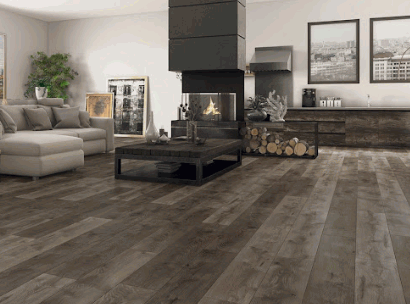
Cleaning laminate floors is essential to maintain their shine and new appearance while preventing damage that can occur from dirt, debris, and spills over time.
Regular maintenance not only keeps laminate floors looking aesthetically pleasing but also prolongs their lifespan. Over time, accumulated dirt and debris can scratch the surface of the laminate, leading to a dull and worn-out look. Spills that are not cleaned promptly can seep into the seams of the flooring, causing swelling and warping.
What Are The Different Types Of Laminate Floors?
There are different types of laminate floors available, ranging from those that mimic the appearance of hardwood floors to specialized laminate options designed for specific cleaning needs.
Regarding laminate flooring, the range of styles and designs can be overwhelming. From hand-scraped finishes to high-gloss looks, laminate floors offer a wide array of options to suit various tastes and décor preferences.
Embossed laminate flooring provides a textured appearance that emulates the feel of real wood, adding depth and character to any space. On the other hand, smooth laminate options offer a sleek and modern aesthetic that can complement contemporary interiors effortlessly.
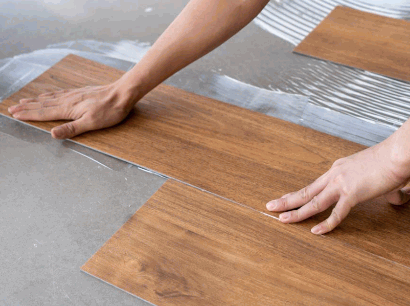
Glued Laminate Floors
Glued laminate floors require adhesive to bond the individual planks together, providing a secure and durable flooring option among various laminate choices like National Floors Direct offers for laminate options.
When considering the installation process, one must ensure the subfloor is clean, level, and dry to ensure a smooth application of the adhesive. The planks are carefully placed in a staggered pattern to create a seamless look, and the adhesive provides a strong bond that prevents shifting or gaps. With options ranging from traditional wood finishes to modern designs, National Floors Direct offers a wide selection of laminate flooring choices to suit any aesthetic preference. These glued laminate floors not only enhance the visual appeal of a space but also provide long-lasting durability and easy maintenance.
Glueless Laminate Floors
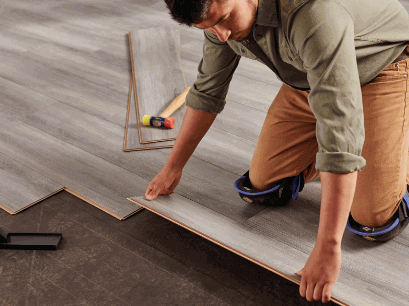
Glueless laminate floors utilize a click-lock system that allows the planks to snap together without the need for additional adhesives, simplifying the installation process and making maintenance easier with specialized laminate cleaners.
This click-lock system is designed to provide a seamless interlocking mechanism that ensures a tight fit between each plank, eliminating gaps that can trap dirt and debris. The ease of installation is further enhanced by the fact that these floors can often be floated over existing subfloors without the need for extensive preparation. Regarding maintenance, using specific laminate cleaners formulated for this type of flooring is recommended to keep the surface looking its best while preserving its durability.
Pre-glued Laminate Floors
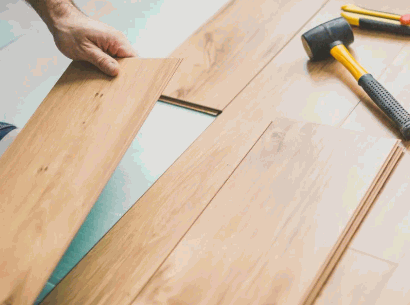
Pre-glued laminate floors come with the adhesive already applied to the planks, allowing for a simpler installation process compared to other laminate flooring options.
One of the key advantages of these pre-glued laminate floors is the time and effort they save during installation. With the adhesive already in place, it eliminates the need for messy glue application, reducing the installation time significantly.
The convenience of pre-glued planks means that even those with limited DIY experience can confidently install these floors without any specialized tools or skills. This not only makes the process smoother but also opens up the possibility of saving on labor costs by doing the installation oneself.
What Are The Tools Needed To Clean Laminate Floors?
To effectively clean laminate floors, you will need specific tools such as a vacuum cleaner, microfiber mop, and distilled white vinegar to ensure a thorough and gentle cleaning process.
When cleaning laminate floors, using distilled white vinegar is preferred as it is a natural and gentle cleaner that effectively removes dirt and grime without leaving residue.
A vacuum cleaner with a soft bristle attachment helps remove loose debris and dust without scratching the surface, while a microfiber mop is ideal for damp mopping to maintain the laminate’s shine.
Remember to avoid harsh chemicals and excessive water when cleaning laminate floors to prevent damage and ensure longevity.
Vacuum Cleaner
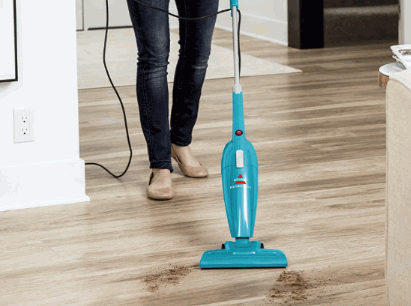
A vacuum cleaner with a soft bristle attachment is ideal for removing dust, crumbs, and dirt from laminate floors without causing scratches or damage.
Using the right attachments with your vacuum cleaner can make all the difference when it comes to maintaining the beauty of your laminate flooring. The soft bristles ensure that dirt and debris are suctioned away without leaving behind any marks or scratches. This is particularly important for laminate floors, as they can easily get scratched if not cleaned properly.
By investing in a vacuum cleaner with the appropriate attachments, you not only ensure a thorough cleaning process but also extend the lifespan of your laminate flooring. These attachments are designed to effectively remove debris without compromising the integrity of the surface.
Microfiber Mop
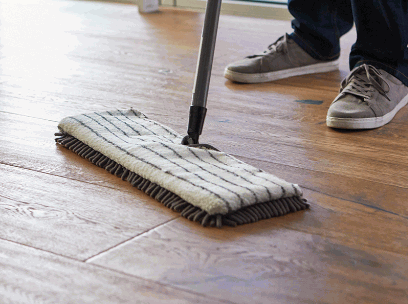
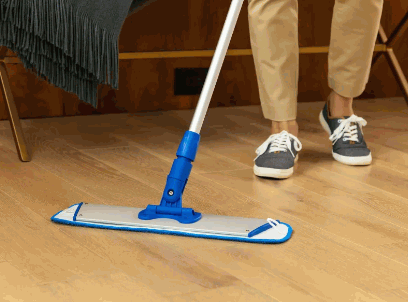
A microfiber mop paired with a laminate floor cleaner is perfect for mopping and maintaining the shine of laminate floors without leaving streaks or residue.
Microfiber mops are designed to effectively trap dirt, dust, and debris, ensuring a thorough cleaning process without spreading particles around.
Coupled with a suitable laminate cleaner, this dynamic duo not only cleans but also polishes the surface, leaving laminate floors looking shiny and fresh.
The unique properties of microfiber material allow for superior absorption of liquid, making it ideal for use with laminate cleaners that require a precise solution-to-water ratio.
Soft Bristled Broom
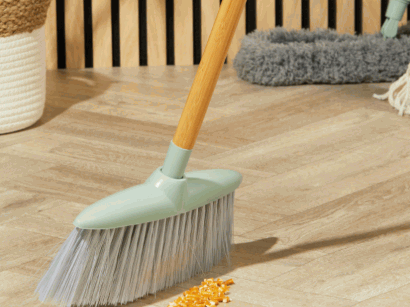
A soft-bristled broom is effective for daily maintenance of laminate floors, removing dust, crumbs, dirt, and debris without causing scratches or damage.
Using a soft-bristled broom ensures that you can diligently sweep away small particles and larger debris effortlessly.
Its gentle bristles delicately capture all types of unwanted elements, from pet hair to tiny rocks, without leaving any marks behind. The lightweight and maneuverable design of the broom makes it a convenient tool for regular cleaning sessions, allowing you to reach every corner and under furniture with ease. Cleaning with a soft-bristled broom is not only efficient but also protects your laminate flooring from abrasive materials, maintaining its pristine condition for years to come.
Mild Detergent
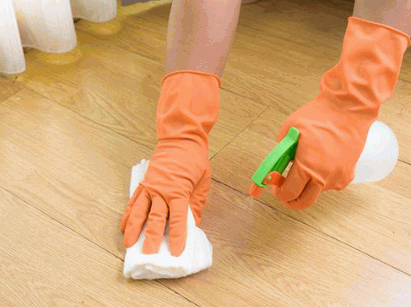
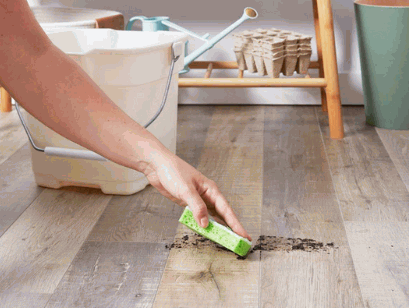
Using a mild detergent, such as a DIY cleaner with dish soap and water, along with a soft-bristled toothbrush for spot cleaning, can help maintain the cleanliness and appearance of laminate floors.
When using these gentle cleaning solutions, it’s important to dilute the detergent appropriately to avoid any residue on the laminate surface.
- For larger cleaning areas, mix the detergent with warm water in a bucket and use a mop for an even application.
- When tackling tougher stains, create a paste with baking soda and water for a natural and effective spot treatment.
What Are The Steps To Clean Laminate Floors?
Cleaning laminate floors involves a few simple steps, starting with sweeping to remove debris, followed by mopping with a suitable cleaner to maintain shine and avoid streaks.
Once you have completed sweeping to clear away the dust and loose dirt, it’s time to prepare for mopping. Make sure you choose a cleaner specifically designed for laminate floors to prevent damage. Dilute the cleaner according to the instructions, as using too much can leave a residue that causes streaks. Begin mopping in small sections, working in a back-and-forth motion to cover the entire floor evenly.
To ensure a streak-free finish, remember to wring out the mop thoroughly to avoid excess water pooling on the surface. This excess water can seep into the seams and cause warping or swelling of the laminate. Pay extra attention to areas that are prone to spills or heavy traffic.
Remove Loose Dirt And Debris
The initial step in cleaning laminate floors is to remove loose dirt and debris by using a vacuum cleaner or a soft-bristled broom to ensure a clean surface before further cleaning.
Removing loose dirt and debris is crucial as it prevents scratching and abrasions during the cleaning process, maintaining the floor’s appearance and lifespan. When overlooked, dirt particles can become embedded and cause damage over time.
By utilizing a vacuum cleaner or a soft-bristled broom, you can efficiently eliminate these particles without causing any harm to the laminate surface. Through this gentle yet effective cleaning method, you set the groundwork for a thorough and successful floor cleaning routine.
Vacuum Or Sweep The Floor
Next, either vacuum or sweep the laminate floor to eliminate remaining debris, dirt, and crumbs, ensuring a clean base for the subsequent mopping process.
Thoroughly removing debris and dirt from the laminate floor is crucial as leftover particles can hinder the mopping process and lead to streaks or smudges on the surface. By vacuuming or sweeping first, you create a smooth and clean canvas for the mopping stage, allowing the cleaning solution to work effectively without encountering obstacles or causing uneven results. The initial removal of debris also prevents the accumulation of grime over time, enhancing the longevity and appearance of your laminate flooring.
Damp Mop The Floor
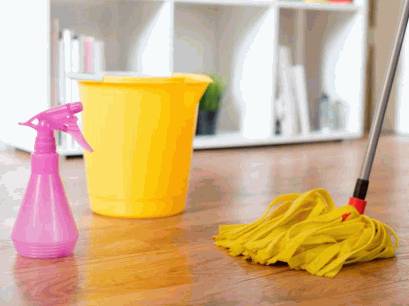
Using a suitable laminate cleaner, damp mop the floor in sections to clean and restore shine without leaving streaks, ensuring a uniform and glossy appearance.
Start by preparing the cleaning solution as per the instructions on the cleaner label, being mindful not to dilute it excessively. This step ensures the optimal concentration for effective cleaning.
Before mopping, sweep or vacuum the floor to remove any loose dirt and debris, preventing scratching or spreading of dirt during mopping.
Proceed to saturate the mop with the prepared solution, wringing out excess water to avoid over-wetting the floors, which can damage the laminate. Work methodically, moving in a back-and-forth motion to cover each section evenly, and overlap strokes slightly to blend the cleaning for a consistent finish.
Dry The Floor
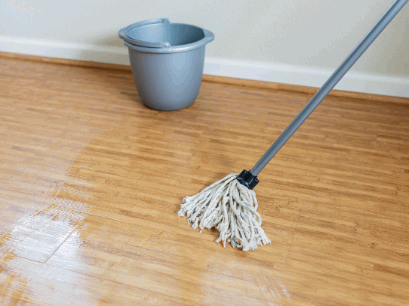
Once the mopping is completed, ensure the floor is thoroughly dried to prevent moisture damage and maintain the integrity of the laminate surface for long-term durability.
Leaving excess water on the laminate floor can lead to warping, bubbling, or even mold growth if not taken care of promptly.
Properly drying the floor not only protects it from immediate damage but also ensures that the material stays in top condition over time. This simple step of eliminating excess moisture contributes significantly to the longevity of your laminate floor, keeping it looking pristine for years to come.
Whether using a towel, a microfiber mop, or a dedicated floor drying tool, the key is to be thorough and remove all traces of water for optimal results.
What Are The Dos And Don’ts Of Cleaning Laminate Floors?
When cleaning laminate floors, it’s crucial to follow specific dos and don’ts to ensure they remain shiny and spotless, avoiding common mistakes that could damage the laminate wood material.
One of the essential dos for maintaining laminate floors is to clean up spills promptly using a damp cloth, as standing water can seep into the seams and cause warping.
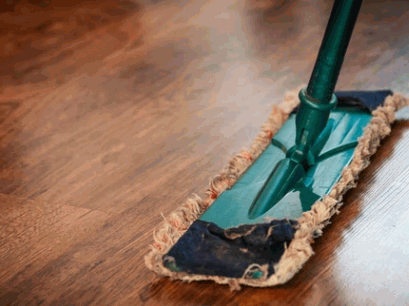
Using a microfiber mop for regular cleaning can help prevent scratches and maintain the floor’s shine without leaving behind streaks or residue.
On the contrary, some common mistakes to avoid include using harsh chemicals or abrasive tools that can strip away the protective layer of the laminate and cause discoloration.
Do Use A Damp Mop, Not A Wet One
One crucial ‘do’ for cleaning laminate floors is to use a damp mop rather than a wet one to prevent excess moisture from seeping into the floor, ensuring effective cleaning without causing water damage.
This method is highly recommended as excessive water on laminate floors can lead to swelling and warping of the planks, causing irreversible damage. Using appropriate laminate cleaners specifically designed for laminate flooring helps in maintaining the floor’s shine and protecting its top layer. It is essential to follow the manufacturer’s instructions when selecting cleaning products to avoid potential harm to the floor’s finish.
Do Use A Mild Detergent, Not Harsh Chemicals
Another important ‘do’ is to opt for mild detergents over harsh chemicals when cleaning laminate floors, ensuring proper maintenance without causing damage to the surface.
Harsh chemicals can strip away the protective layer of laminate, leading to premature wear and tear. By using gentle cleaning solutions, you not only preserve the surface but also prevent fading or discoloration over time. It is advisable to dilute the detergent in warm water and avoid excessive moisture on the floors.
When mopping, wring out the mop thoroughly to avoid excess water seeping into the seams of the laminate. This prevents warping and swelling, maintaining the integrity of the flooring.
Don’t Use Steam Cleaners
One doesn’t in cleaning laminate floors is to avoid the use of steam cleaners, as the high heat and moisture can damage the floor’s composite materials and protective wear layer.
Steam cleaners, although effective for some surfaces, can be detrimental when used on laminate floors. The intense heat and moisture generated by these devices can seep into the seams of the flooring, causing the planks to warp or swell. The high temperature can compromise the protective wear layer of the laminate, making it more prone to scratches and wear over time. To maintain the longevity of laminate floors, it’s advisable to stick to gentle cleaning methods that pose minimal risk of damage.
Don’t Let Spills Sit On The Floor
It’s essential not to let spills sit on the floor for an extended time to prevent liquid damage and water seepage into the laminate flooring, which can lead to stains and structural issues.
Immediate spill cleanup is crucial to safeguard your laminate flooring from potential water damage risks. When spills are left unattended, the liquid can seep through the cracks, causing permanent stains and compromising the structural integrity of the flooring.
Acting promptly to clean up spills also helps prevent water infiltration under the laminate surface, which could result in swelling and warping. By addressing spills promptly, you can mitigate the chances of mold growth and the need for costly repairs in the future.
How To Prevent Damage To Laminate Floors?
Preventing damage to laminate floors involves using protective pads under furniture, maintaining a no-shoe rule indoors, and promptly addressing spills and scuffs to preserve the scratch-resistant wear layer.
Protective pads act as a barrier between heavy furniture and the floor, preventing scratches and dents caused by dragging or shifting. Enforcing a no-shoe rule limits the amount of dirt, debris, and potentially damaging substances that can come into contact with the laminate. In case of spills or scuffs, quick action is vital to prevent moisture seepage or permanent marks, which can compromise the durability and appearance of the floor. By incorporating these preventive measures into your household routine, you can significantly extend the lifespan and beauty of your laminate flooring.
Use Furniture Pads
Applying furniture pads under heavy furniture can prevent scratches and scuffs on laminate floors, preserving their appearance and prolonging their lifespan.
These protective pads act as a barrier between the furniture and the floor, reducing the risk of damage due to friction. They distribute the weight of heavy items evenly, preventing dents and indentations on the laminate surface. By absorbing impact and vibrations, the pads also help maintain the structural integrity of the flooring, ensuring that it remains stable and free from structural issues over time. Protective pads come in various materials such as felt, rubber, or silicone, catering to different furniture types and floor surfaces.
Avoid Walking On The Floor With High Heels
To protect the wear layer and maintain comfort underfoot, it’s advisable to avoid walking on laminate floors with high heels or sharp footwear that can cause dents and scratches.
High heels can exert concentrated pressure on the flooring surface, leading to visible marks that can compromise the aesthetic appeal of your laminate floors.
By choosing footwear with broader, flat soles, you distribute weight more evenly and reduce the risk of damaging the floor, thus prolonging its longevity.
Ensuring proper floor protection not only safeguards the laminate from cosmetic damage but also enhances the overall durability of your investment.
Wipe Up Spills Immediately
Immediate spill cleanup is crucial to prevent moisture seepage and structural damage, making it essential to have protective mats in place to quickly address spills on laminate floors.
Spills on laminate flooring can seep through the protective layer and reach the core material if left unattended. This moisture penetration can lead to warping, swelling, and discoloration of the floorboards, ultimately compromising the integrity of the entire flooring system.
To avoid such issues, it is highly recommended to keep a stack of absorbent cloths or paper towels handy for immediate cleanup. By acting promptly and efficiently, you can minimize the risk of long-term damage and extend the longevity of your laminate floors.
Use Rugs Or Mats In High Traffic Areas
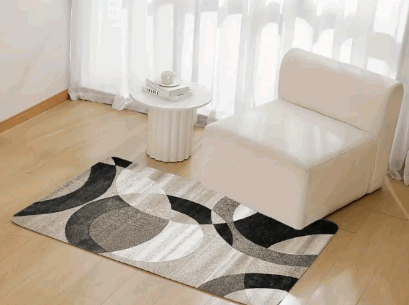
Placing rugs or mats in high foot traffic areas helps reduce wear, prevents moisture accumulation, and maintains the laminate floors’ longevity by acting as a protective barrier.
These protective coverings act as a shield, absorbing the impact of constant foot traffic and shielding the laminate from scratches and scuffs. They trap dirt and debris, preventing them from grinding into the floor’s surface, and reducing the need for frequent cleaning and maintenance.
Mats also help maintain the visual appeal of the flooring by preventing fading or discoloration caused by exposure to UV rays. They create a welcoming entryway while safeguarding the laminate from potential damage, ensuring a vibrant and durable floor for years to come.