
Looking to improve the ambiance and air quality in your bedroom? Consider adding some greenery to your space!
We’ll discuss the benefits of having plants in your bedroom, such as improving air quality, reducing stress and anxiety, promoting better sleep, and boosting mood and productivity.
Explore the best plants for your bedroom, including the Snake Plant, Lavender, Aloe Vera, Peace Lily, and English Ivy, with tips on how to care for them.
If you’re curious about bringing a touch of nature into your bedroom, keep reading!
Why Should You Have Plants In Your Bedroom?
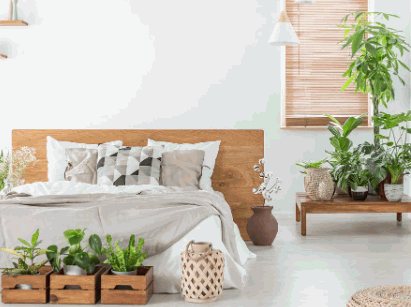
Having plants in your bedroom can bring numerous benefits that contribute to a healthier and more aesthetically pleasing environment. Indoor plants not only enhance the decor with their greenery but also promote better air quality by increasing oxygen levels and purifying the air naturally. The presence of plants can positively impact your overall plant health, creating a calming ambiance that is further enhanced by the natural light they require.
Incorporating plants into your bedroom design can boost your mood and mental well-being as studies have shown that greenery has a positive effect on reducing stress and anxiety levels.
Indoor plants can act as natural humidifiers, helping to maintain the moisture levels in the air, which is beneficial for your skin and respiratory system. Their soothing presence can also improve your sleep quality, making your bedroom a tranquil retreat after a long day.

What Are The Benefits Of Having Plants In Your Bedroom?
Having plants in your bedroom offers a myriad of benefits that contribute to your overall well-being and the quality of your sleep. These plant benefits include improved air quality, enhanced plant decor, increased oxygen levels, better plant health, and a boost in plant aesthetics and ambiance. Furthermore, the presence of plants in your bedroom can provide stress relief, enhance sleep quality, and contribute to better plant air quality.
Learn more: Cozy Bedroom Colors
Improves Air Quality
One of the key benefits of having plants in your bedroom is the improvement of air quality. Indoor plants, especially air-purifying varieties, can effectively filter out toxins and pollutants, creating a healthier environment for relaxation and rejuvenation.
By absorbing harmful chemicals like formaldehyde, benzene, and trichloroethylene, these indoor plants not only help purify the air but also contribute to reducing stress levels and promoting better sleep.
The presence of greenery indoors has been linked to lower levels of anxiety and increased feelings of well-being, making it an essential element in enhancing the overall ambiance of your living space.
With their natural beauty and air-purifying qualities, indoor plants serve as both functional and decorative elements, transforming your indoor environment into a soothing sanctuary.
Reduces Stress And Anxiety
Plants in the bedroom have a calming effect that can help reduce stress and anxiety. The presence of greenery and foliage contributes to a sense of well-being, creating a soothing ambiance that promotes relaxation and stress relief.
Studies have shown that indoor plants can lower cortisol levels, reducing the body’s stress response. The visual appeal of plants can also enhance the overall aesthetic of the bedroom, making it a more inviting and peaceful space. By purifying the air and adding a natural element to the room, plants can positively impact one’s mental health and emotional well-being.
Integrating plant decor into the bedroom decor can be a simple yet effective way to foster a tranquil environment and elevate the overall mood of the space.
Promotes Better Sleep
Having plants in your bedroom can promote better sleep quality. Certain plants release oxygen at night, improving air quality, while the calming ambiance they create contributes to a more restful and rejuvenating sleep experience.
In addition to the physical benefits of increased oxygen levels, the presence of greenery in your sleeping space can also have a positive impact on your mental well-being.
Studies show that being surrounded by plants can reduce stress and anxiety levels, helping you unwind after a long day.
The act of nurturing and caring for plants can also provide a sense of purpose and relaxation, further adding to the overall tranquil environment conducive to a good night’s sleep.
Boosts Mood And Productivity
Plants in the bedroom can have a positive impact on mood and productivity. Their presence not only enhances the aesthetics of the room but also contributes to a sense of well-being and ambiance that can boost mood and productivity levels.
The greenery of plants adds a touch of nature indoors, creating a calming and tranquil environment that is conducive to relaxation and focus.
Studies have shown that being surrounded by plants can reduce stress, improve air quality, and provide a sense of connection to the outdoors. This connection to nature can help individuals feel more grounded and centered, leading to increased mental clarity and a higher level of productivity throughout the day.
What Are The Best Plants For Your Bedroom?
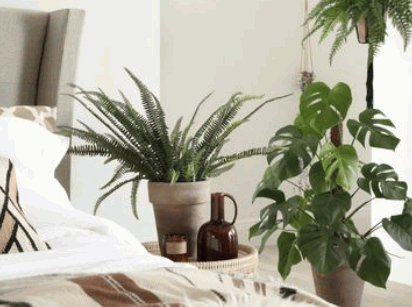
When selecting plants for your bedroom, it is essential to consider various factors such as plant varieties, species, placement, pots, growth patterns, sizes, and colors. The best plants for your bedroom should complement the space, thrive in indoor conditions, and match your aesthetic preferences.
Snake Plant
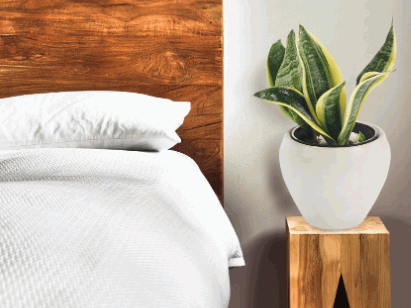
The Snake Plant is a popular indoor plant choice for bedrooms due to its low maintenance requirements, air-purifying qualities, and unique foliage. It thrives in various light conditions, comes in different sizes, and adds a touch of green to your room with its vibrant hues.
This plant, also known as Sansevieria, is an excellent option for those seeking a plant that not only looks beautiful but also helps to improve indoor air quality. With its upright, sword-like leaves, the Snake Plant can fit into tight spaces and corners, making it ideal for bedrooms. It is known for its ability to remove toxins from the air, making it a health-conscious addition to any living space. Available in shades of green, yellow, and even silver, this plant can complement a wide range of interior design styles.
Lavender
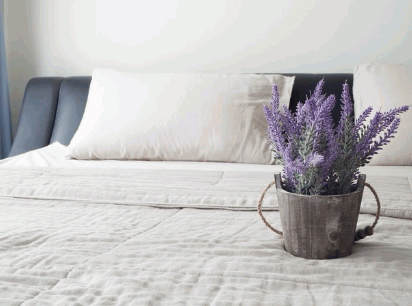
Lavender is a fragrant and soothing plant choice for bedrooms, known for its calming properties and beautiful purple blooms. This indoor plant requires ample sunlight, well-draining soil, and regular watering to thrive and fill your room with a delightful scent.
Its vibrant colors not only add a charming aesthetic to any bedroom but also have proven benefits in promoting relaxation and reducing stress levels. The gentle fragrance of lavender has been used for centuries to induce sleep and create a tranquil atmosphere, making it a perfect addition to your sleep sanctuary.
When caring for lavender indoors, ensure it receives at least six hours of sunlight daily and plant it in sandy, well-draining soil to prevent root rot. Water your lavender moderately, allowing the soil to dry out slightly between waterings to prevent overwatering.
Aloe Vera
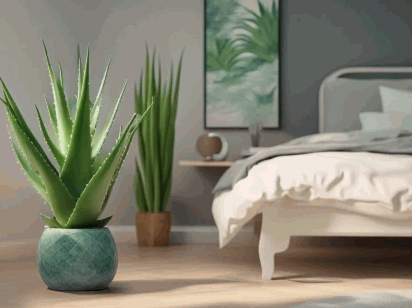
Aloe Vera is a versatile and beneficial plant for bedrooms, known for its air-purifying properties, soothing gel, and easy care routine. This indoor succulent thrives in bright indirect light, requires minimal watering, and comes in various sizes and shades of green.
Its ability to release oxygen at night makes it an excellent addition to bedrooms, promoting better air quality and enhancing sleep.
The healing gel found in Aloe Vera leaves can be used for treating minor burns, cuts, and skin irritations, providing a natural remedy.
In terms of maintenance, Aloe Vera prefers well-draining soil and can tolerate periods of drought. With its unique rosette growth pattern, this plant adds a touch of greenery to any room, from small tabletop varieties to larger floor plants, offering a range of options to suit different spaces.
Peace Lily
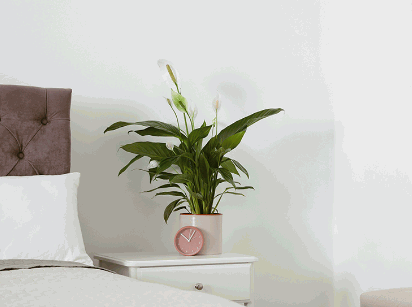
The Peace Lily is a popular choice for bedrooms due to its elegant white blooms, air-purifying qualities, and adaptability to low-light conditions. This indoor plant requires regular watering, well-draining soil, and occasional pruning to maintain its lush green foliage.
It thrives in indirect sunlight, making it perfect for brightening up corners or bedside tables in bedrooms. With its deep green leaves and striking white flowers, the Peace Lily adds a touch of serenity and elegance to any space. Its ability to remove harmful toxins from the air, such as formaldehyde and benzene, makes it a practical and beautiful addition to creating a healthier indoor environment.
There are various sizes available, from compact varieties suitable for small spaces to larger specimens that make a statement. The Peace Lily comes in different shades of white, ranging from creamy ivories to pure whites, allowing you to choose the perfect one to complement your room’s aesthetic.
English Ivy
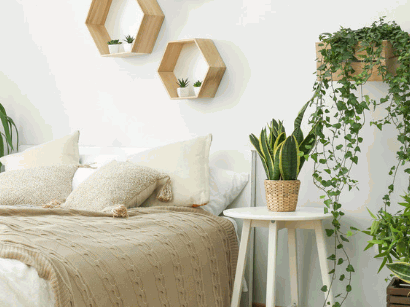
English Ivy is a versatile and visually appealing plant that can thrive in various bedroom settings. Its cascading vines, variegated leaves, and air-purifying nature make it an excellent choice for adding greenery to your room. This indoor plant requires indirect light, consistent watering, and occasional trimming for optimal growth.
English Ivy’s growth habits add a touch of elegance to any space, with its ability to trail gracefully or climb structures if provided with support. The plant’s vibrant colors range from deep green to variegated patterns of white, silver, or yellow, providing a wide selection to suit different room aesthetics. With proper care, English Ivy can grow vigorously, filling empty corners with lush foliage and improving air quality by removing toxins from the air.
How To Take Care Of Bedroom Plants?
Proper care is essential for maintaining the health and vitality of your bedroom plants. This includes providing adequate sunlight, watering them regularly but not excessively, using well-draining soil, pruning when necessary, and ensuring they receive the right balance of nutrients, humidity, and temperature.
Provide Adequate Sunlight
Ensuring your bedroom plants receive adequate sunlight is crucial for their growth and overall well-being. Different plants have varying light requirements, so it’s essential to place them in locations where they can access the right amount of natural light for optimal development.
Plants that thrive in bright, direct sunlight, such as succulents and cacti, should be positioned near windows that receive ample sunlight throughout the day. On the other hand, for plants that prefer indirect light, like ferns and peace lilies, placing them in well-lit but shaded areas is ideal.
Understanding your plant’s specific needs and observing how the light changes in different spots of your bedroom will help you determine the best locations to foster healthy growth. Remember, proper lighting is key to keeping your indoor greenery flourishing.
Water Regularly
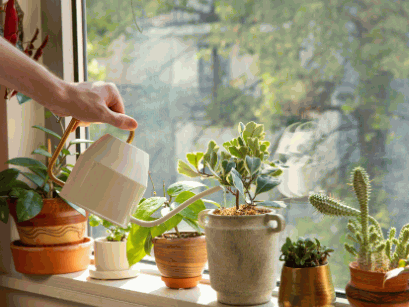
Regular watering is essential for the health and longevity of your bedroom plants. It’s important to water them consistently but avoid overwatering, as excessive moisture can lead to root rot and other plant issues.
Establishing a watering routine is key to ensuring your plants receive the right amount of hydration. Aim to water your plants when the top inch of soil feels dry to the touch.
Different plants have varying water needs, so pay attention to individual requirements. Signs of dehydration include wilting leaves and dry soil, while overhydration may manifest as yellowing leaves or a musty smell.
Adjust your watering frequency accordingly, keeping in mind factors like season, temperature, and humidity levels in your home.
Use Well-Draining Soil
Choosing well-draining soil is essential for ensuring adequate moisture levels and proper root aeration for your bedroom plants. High-quality soil enriched with essential nutrients can support plant growth and overall vitality.
In addition to providing optimal moisture conditions and root health, well-draining soil also plays a crucial role in preventing waterlogged conditions that can lead to root rot and other fungal diseases.
The presence of nutrients such as nitrogen, phosphorus, and potassium in the soil is vital for promoting strong roots, lush foliage, and vibrant blooms. These nutrients help in supporting essential plant functions like photosynthesis, protein synthesis, and overall resilience against environmental stressors.
Prune And Fertilize When Needed
Pruning and fertilizing your bedroom plants when necessary are essential tasks to promote healthy growth and maintain plant aesthetics. Regular pruning helps control growth and encourage new growth, while appropriate fertilization provides essential nutrients for plant health.
By pruning your plants, you can shape them according to your desired aesthetics, removing dead or overgrown parts to improve air circulation and prevent diseases. Timing is crucial, with spring being a good time for heavy pruning, while light trimming can be done throughout the year.
Fertilizing is equally important, as it replenishes nutrients that the plants may deplete over time. Opt for a balanced fertilizer, and follow the instructions to avoid overfeeding, which can harm your plants rather than benefit them.
What Are Some Tips For Choosing The Right Plants For Your Bedroom?
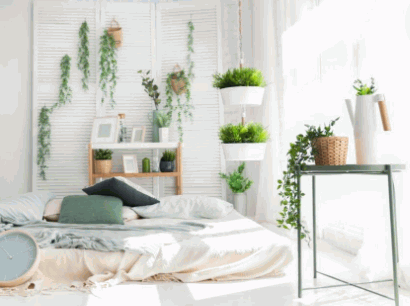
Selecting the ideal plants for your bedroom involves considering various factors such as plant varieties, species, placement options, pot choices, colors, lighting preferences, and overall aesthetics. Choosing plants that align with your bedroom decor and personal preferences ensures a harmonious and visually appealing green space.
Consider Your Bedroom’s Lighting
Assessing your bedroom’s lighting conditions is crucial when choosing plants for the space. Different plant varieties have varying light requirements, so matching them to the available natural light levels ensures their healthy growth and vibrant colors within your room.
Plants that require high light levels, such as succulents or cacti, are ideal for bedrooms with ample sunlight streaming through windows. On the other hand, low-light plants like pothos or snake plants thrive in shadowed corners or areas with indirect light.
Consider the orientation of your windows and the intensity of light throughout the day to determine the best placements for different plant species. By carefully selecting plants that complement your bedroom’s lighting conditions, you can create a harmonious indoor garden that not only enhances the aesthetic appeal of the space but also contributes to a calming and refreshing atmosphere.
Choose Low-Maintenance Plants
Opting for low-maintenance plants is advisable for bedrooms, especially for individuals with limited time for plant care. Select plant varieties and species that require minimal upkeep, such as occasional watering and moderate light, to ensure a hassle-free and enjoyable plant experience.
These plants not only bring a touch of nature into your living space but also offer numerous benefits like improved air quality, reduced stress levels, and better sleep.
Some excellent low-maintenance plant options for bedrooms include snake plants, pothos, spider plants, and peace lilies, known for their ability to thrive in low light conditions and their forgiving nature when it comes to irregular watering schedules.
By choosing these easy-to-care-for plants, you can enjoy the beauty of greenery in your bedroom without the added stress of high maintenance requirements.
Consider Your Personal Preferences
Incorporating your personal preferences into plant selection for the bedroom adds a touch of individuality and style to your living space. Choose plant varieties, species, colors, and arrangements that resonate with your aesthetic tastes and complement the existing decor for a cohesive and visually appealing environment.
Consider the atmosphere you wish to create in your bedroom – whether it’s a serene retreat with calming green foliage like Peace Lilies or a vibrant oasis with colorful Orchids. If minimalism is your style, opt for sleek succulents or air plants. For those drawn to a bohemian vibe, cascading vines or exotic ferns could add a whimsical touch. Remember, your bedroom is your sanctuary, so let your plant choices reflect the ambiance you desire for relaxation and rejuvenation.