
Have you ever wondered if baking powder can be used for cleaning?
We explore the various ways baking powder can be utilized as a cleaning agent.
From its chemical properties to its effectiveness on different surfaces like kitchen counters, bathroom tiles, and even laundry, we discuss how baking powder works and compare it to alternative cleaning products.
Learn about the safety precautions to take when using baking powder for cleaning and whether it is a good cleaning agent overall.
What Is Baking Powder?
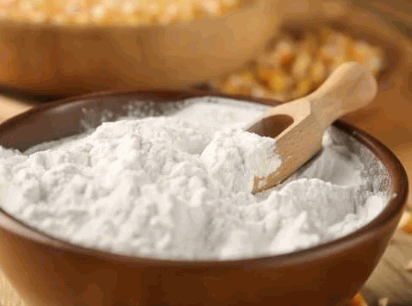
Baking powder is a raising agent that typically contains baking soda and an acid. It is commonly used in baking to make cakes and bread rise.
When baking powder is mixed with liquid and exposed to heat, the acid reacts with the baking soda, leading to the release of carbon dioxide gas. This gas forms bubbles throughout the batter, causing it to expand and rise during the baking process. This reaction is crucial in achieving the light and airy texture that is desirable in many baked goods. The combination of baking powder’s components ensures a reliable leavening effect, making it a popular choice among bakers for creating fluffy cakes, soft muffins, and tender scones.
Can Baking Powder Be Used For Cleaning?
Baking powder has cleaning properties that can help remove stains and grime from various surfaces.
One of the key advantages of using baking powder as a cleaning agent is its versatility in tackling different types of stains, ranging from grease to mildew. Its abrasive nature allows it to effectively scrub away stubborn residue on surfaces without causing damage. Baking powder is non-toxic and environmentally friendly, making it a safe alternative to harsh chemical cleaners. Whether it’s on kitchen countertops, bathroom tiles, or even as a deodorizer for carpets, baking powder proves to be a reliable solution for a variety of cleaning tasks.
How Does Baking Powder Work For Cleaning?
When used for cleaning, baking powder creates a gentle abrasive paste that can help scrub and lift dirt and grime from surfaces effectively.
Baking powder’s mechanism of action as a cleaning agent lies in its ability to interact with water and acidic components to produce carbon dioxide gas. This gas formation helps to create bubbles within the paste, which act as small scrubbing agents to dislodge dirt and stains.
The alkaline nature of baking powder can help neutralize acidic substances on surfaces, making it effective in removing tough stains like coffee or tea residue. Its versatility in being non-toxic and safe for various surfaces further adds to its appeal as a household cleaner.
What Are The Chemical Properties Of Baking Powder?
Baking powder contains an acid component that reacts with moisture or heat to release carbon dioxide gas, which causes the mixture to expand and rise.
The main acid present in baking powder is typically cream of tartar, also known as potassium bitartrate. When this acid comes into contact with moisture or heat during baking, it undergoes a chemical reaction with the alkaline component, usually baking soda (sodium bicarbonate).
This acid-base reaction creates carbon dioxide gas, which forms bubbles in the batter or dough. These bubbles get trapped in the gluten structure of the mixture, causing it to rise and become light and airy. This leavening effect is crucial in producing soft and fluffy baked goods.
What Can Baking Powder Clean?
Baking powder can clean a variety of surfaces and items including kitchen countertops, carpets, stubborn stains, and even laundry.
When dealing with kitchen countertops, a mixture of baking powder and water can be a powerful solution to remove stubborn grease and grime. For carpets, sprinkling baking powder and letting it sit before vacuuming can help freshen up the fibers and absorb odors. Mixing baking powder with water to create a paste can effectively tackle stubborn stains on various surfaces.
Adding a small amount of baking powder to your laundry can boost detergent performance, brighten whites, and neutralize odors. Its versatility as a cleaning agent makes it a convenient and affordable choice for households looking to tackle multiple cleaning tasks with one product.
Kitchen Surfaces
Baking powder is particularly effective for cleaning kitchen surfaces such as countertops and stovetops, lifting grease and grime easily.
When using baking powder for cleaning, you can create a powerful yet gentle abrasive cleaner by mixing it with water to form a paste. This paste can be applied to surfaces with a sponge or cloth and then gently scrubbed to remove stubborn stains and residues. The mild alkaline properties of baking powder can help neutralize odors, making it a versatile cleaner for various kitchen surfaces.
To tackle tough greasy residues, sprinkle the baking powder directly on the affected area, let it sit for a few minutes, and then wipe it off with a damp cloth. For stainless steel surfaces, you can mix baking powder with vinegar to create a foaming cleaner that effectively cuts through grease and leaves a shiny finish.
Remember to rinse surfaces thoroughly after cleaning with baking powder to ensure no residue is left behind. By incorporating baking powder into your cleaning routine, you can maintain a sparkling kitchen while avoiding harsh chemicals.
Bathroom Surfaces
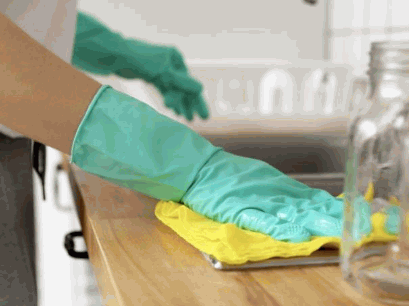
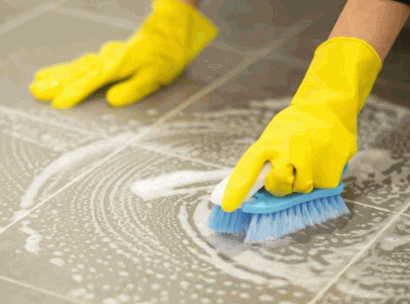
In the bathroom, baking powder can be used to clean sinks, tiles, and grout, tackling soap scum and mildew effectively.
When mixed with water to form a paste, baking powder becomes a gentle yet powerful cleaner that can easily lift grime and dirt from various bathroom surfaces.
Its mild abrasive properties make it ideal for scrubbing away stubborn soap scum on sinks and tiles, leaving them sparkling clean.
The anti-fungal properties of baking powder helps combat mildew in the grout, restoring it to its original color and cleanliness.
Carpet Stains
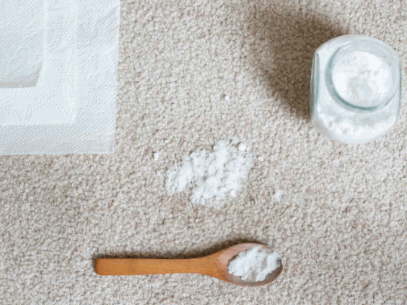
Baking powder is a great solution for lifting and removing tough stains from carpets, leaving them fresh and clean.
When dealing with carpet stains, baking powder can work wonders in effortlessly lifting deep-seated dirt and grime. To tackle fresh spills, dab the affected area with a cloth to absorb excess liquid, then sprinkle baking powder generously over the stain. Let it sit for at least 30 minutes to allow the powder to absorb the moisture and penetrate the fibers. Afterward, simply vacuum up the powder residue, revealing a much lighter or completely obliterated stain. The absorbent properties of baking powder also help in neutralizing odors, effectively freshening up the carpet.
Greasy Pans
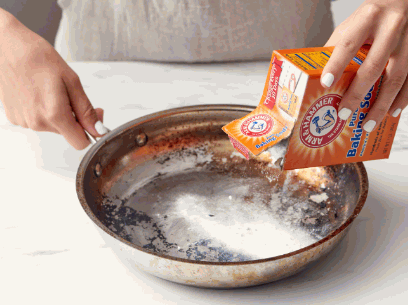
To clean greasy pans, baking powder can be used as a gentle abrasive to scrub off stubborn grease and food residue.
Simply sprinkle a generous amount of baking powder onto the greasy surface and add a few drops of water to create a paste. Use a sponge or scrubbing brush to work the paste into the greasy areas, focusing on areas with the most stubborn residue. The slight abrasiveness of the baking powder helps to loosen the grease and grime without scratching the pan’s surface.
Rinse the pan thoroughly with warm water after scrubbing to remove the loosened grease and baking powder residue. For tougher stains, you can let the baking powder paste sit on the pan for a few minutes before scrubbing to allow it to work its magic.
Laundry
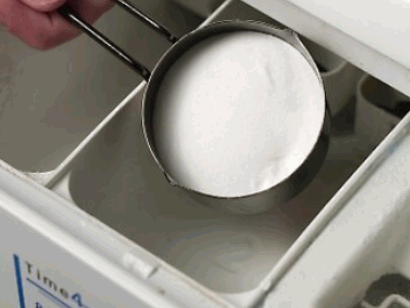
Adding baking powder to laundry can help lift stains and odors, acting as a natural cleaner and freshener.
Baking powder serves as a versatile ingredient not restricted to the kitchen; its effervescence aids in breaking down proteins in stains, making them easier to remove.
Its mild abrasive nature can gently scrub fabrics without causing damage, while the alkaline properties help neutralize acidic odors, leaving clothes smelling fresh.
For an efficient laundry boost, simply mix a spoonful of baking powder with your detergent before starting the washing cycle, or sprinkle directly on stained areas as a pre-treatment.
Are There Any Alternative Cleaning Products To Baking Powder?
Apart from baking powder, alternative cleaning products like baking soda, white vinegar, lemon juice, and hydrogen peroxide can also be effective for various cleaning tasks.
Baking soda is a versatile ingredient that can tackle tough stains on carpets and upholstery.
In the kitchen, white vinegar mixed with water makes a great all-purpose cleaner for countertops and sinks.
For a natural disinfectant, lemon juice is excellent due to its antibacterial properties.
Regarding whitening grout or removing tough stains, hydrogen peroxide is a powerful ally.
Each of these alternatives offers eco-friendly and affordable solutions for a cleaner home.
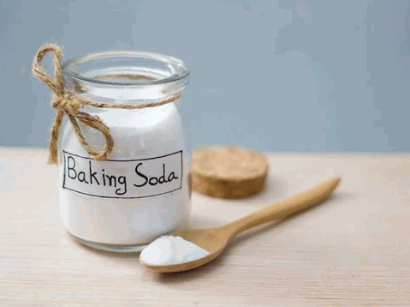
Baking Soda
Baking soda is a versatile cleaning agent that can be used to tackle stains, deodorize, and unclog drains effectively.
Its abrasive nature makes it ideal for scrubbing away tough stains on kitchen counters, cutting boards, and sinks.
Mixing baking soda with water or vinegar creates a powerful solution that can effectively remove odors from carpets, refrigerators, and even shoes.
Regarding drain cleaning, a mixture of baking soda and hot water can help break down buildup and clear clogs without the need for harsh chemicals. This natural alternative is not only effective but also eco-friendly.
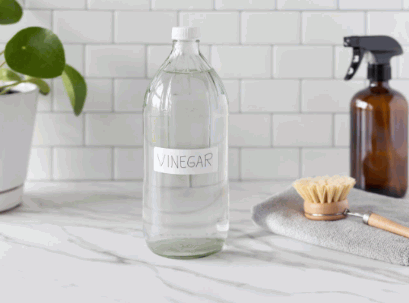
White Vinegar
White vinegar is a natural cleaner that can be used to disinfect surfaces, neutralize odors, and remove stains around the household.
Moreover, white vinegar is a versatile cleaning solution that is eco-friendly and budget-friendly, making it a popular choice for many households. Its acidic nature helps break down grime and grease effectively without leaving behind harmful residues or fumes. Using white vinegar regularly can also help prevent the buildup of mold and mildew, ensuring a healthier living environment. Its ability to cut through tough stains on various surfaces such as countertops, floors, and even laundry, makes it a go-to solution for many cleaning tasks. The disinfectant properties of white vinegar further add to its appeal, providing a safe and natural way to sanitize and clean different areas of the home.
Uncover more: Best Way To Clean Laminate Floors
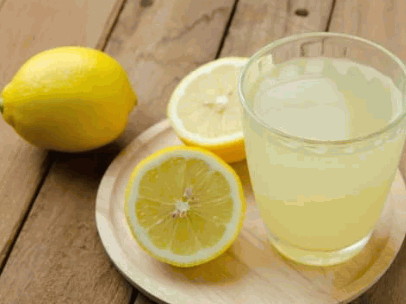
Lemon Juice
Lemon juice is a natural cleaner with antibacterial properties, making it ideal for freshening up and disinfecting surfaces.
Historically, lemon juice has been used for its powerful cleansing abilities due to its high acidity levels and citric acid content. Its antibacterial qualities are effective in combatting germs and bacteria, providing a safe and natural alternative to chemical cleaners. When mixed with water, lemon juice creates a potent solution that can tackle grease, stains, and odors. The refreshing aroma of lemon helps to create a pleasant environment while simultaneously acting as a natural disinfectant.
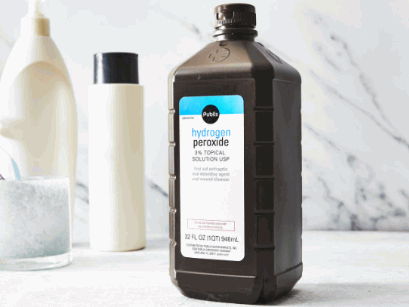
Hydrogen Peroxide
Hydrogen peroxide is a powerful cleaning agent that can be used for sanitizing surfaces and removing stains effectively.
It’s known for its ability to kill germs and bacteria, making it a popular choice for disinfecting various areas in homes and healthcare settings. Furthermore, hydrogen peroxide has impressive stain-removing properties, making it ideal for tackling tough stains on clothing or carpets.
Aside from its cleaning prowess, some people also believe that hydrogen peroxide may offer health benefits when used in certain ways. For instance, it’s often used as a mouthwash to help kill bacteria in the mouth, promoting better oral hygiene.
What Are The Safety Precautions When Using Baking Powder For Cleaning?
When using baking powder for cleaning, it is important to avoid mixing it with other cleaning products to prevent harmful chemical reactions.
Safety precautions must always be a top priority to ensure a safe cleaning process. Mixing baking powder with common household cleaners like bleach or vinegar can lead to toxic fumes or even dangerous explosions. It is crucial to carefully read labels and follow instructions to prevent any mishaps. Wear gloves and a mask to protect yourself from any potential irritants. Always work in a well-ventilated area to minimize exposure to any fumes. Taking these measures will guarantee a safe and effective cleaning experience.
Avoid Mixing With Other Cleaning Products
Mixing baking powder with other cleaning products, especially those containing bleach or ammonia, can produce toxic fumes and should be avoided.
These harmful fumes are not only dangerous to inhale but can also cause skin irritation and other health risks. When cleaning different areas of your home, it’s essential to read the labels of all cleaning products carefully to ensure they are compatible with each other and won’t react negatively. It is crucial to keep baking powder away from acidic or harsh chemicals like bleach to prevent any accidental mixing that could lead to potentially life-threatening situations.
Wear Protective Gear
When using baking powder for cleaning tasks, it is advisable to wear protective gear such as gloves and masks to prevent skin irritation and inhalation of dust.
Protective gear such as gloves and masks serve as essential barriers that shield your skin from potential irritants and guard your respiratory system against inhaling harmful particles while working with baking powder. Shields like gloves prevent direct contact with the skin, reducing the risk of irritation or allergic reactions. Masks can help filter out fine dust particles, ensuring safer breathing during the cleaning process. By prioritizing safety measures like wearing protective gear, you create a more secure environment for yourself while handling baking powder for various cleaning purposes.
Test On A Small Area First
Before applying baking powder to larger surfaces, it is recommended to test its cleaning efficacy on a small, inconspicuous area to ensure compatibility.
This small area patch test can help you avoid potential damage or adverse reactions that may arise from using baking powder. By dabbing a small amount of the mixture onto a hidden corner or less noticeable spot, you can observe how the surface reacts before committing to a full application.
Remember, everyone’s cleaning needs and sensitivities differ, so taking this precautionary step with baking powder can save you from any unexpected outcomes and ensure a successful cleaning process.
Conclusion: Is Baking Powder A Good Cleaning Agent?
In conclusion, baking powder can be a versatile and effective cleaning agent for various household items and surfaces, offering a natural and eco-friendly alternative to conventional cleaning products.
Its gentle abrasive properties make it perfect for scrubbing away dirt and grime from sinks, countertops, and stovetops, leaving them sparkling clean without harsh chemicals. Mixing baking powder with water can create a paste that works wonders in removing stubborn stains from carpets or upholstery. Its deodorizing abilities also help eliminate odors in refrigerators, garbage disposals, and even shoes, making it a must-have for maintaining a fresh-smelling home.