
Old paint on uPVC window frames can significantly detract from the overall aesthetic of a home. Whether one is preparing for a renovation or simply seeking to refresh the windows, it is essential to remove the old paint. This guide outlines the rationale for undertaking this task, the tools required, and a comprehensive step-by-step process for effective paint removal. Furthermore, alternative methods, maintenance tips, and DIY remedies for uPVC frames will be discussed, including insights from UK Trade Windows and Door. Prepare to restore your windows to their original condition.
Learn about: How To Paint uPVC Windows
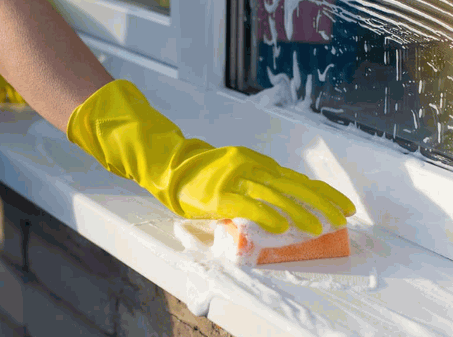
Why Do You Need To Clean Old Paint Off uPVC Window Frames?
Cleaning old paint from uPVC window frames is essential not only for aesthetic reasons and curb appeal but also for preserving the integrity and longevity of the windows. uPVC, or unplasticized polyvinyl chloride, is widely recognized for its durability and low maintenance requirements, making it a preferred choice for window frames.
However, over time, layers of paint can accumulate, diminishing the curb appeal of a property and potentially leading to more significant complications if not addressed. Regular maintenance, including appropriate paint removal, ensures that windows continue to function effectively while enhancing the overall appearance of the residential property.
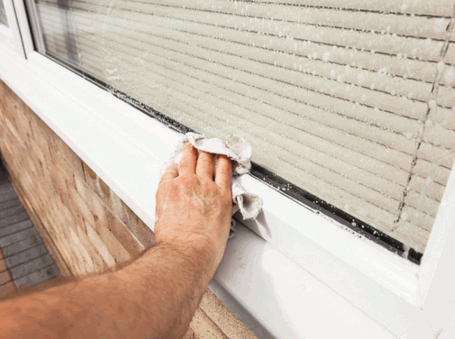
What Tools Do You Need To Clean Old Paint Off uPVC Window Frames?
To effectively remove old paint from uPVC windows, it is essential to gather the appropriate tools to ensure an efficient and thorough paint removal process, which can be further enhanced by seeking professional help if necessary.
Key tools include: professional services for more complex cases, and:
- Heat gun, which facilitates the softening of paint for easier removal,
- Sandpaper for surface smoothing,
- Isopropyl alcohol or acetone for stubborn paint stains, and
- Chemical paint removers specifically formulated for use on uPVC materials.
Furthermore, employing a high-quality paint stripper in conjunction with a scraping technique will assist in eliminating stubborn paint residues, a method recommended for double-glazed windows. Additionally, using a PVC cleaner or products like Peel Tec from C-Tec will aid in preparing the surface for a fresh finish following the removal process.
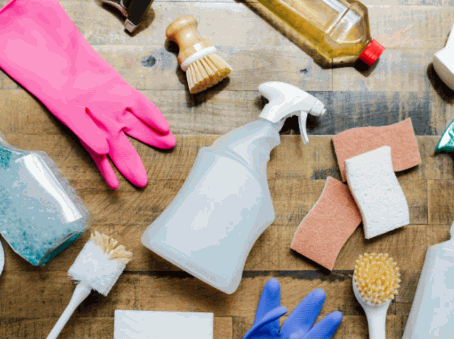
Step-by-Step Guide On How To Clean Old Paint Off uPVC Window Frames
Removing old paint from uPVC window frames can be an uncomplicated process when one adheres to a step-by-step guide outlining each phase of the paint removal procedure, making it suitable for both residential services and commercial projects. This systematic approach not only facilitates effective paint removal but also reduces the likelihood of damage to the window frames.
By utilizing appropriate techniques and tools, including chemical paint removers, scraping methods, and suitable cleaning solutions, one can restore uPVC frames to their original condition while preventing future paint stains from adhering easily.
Step 1: Prepare The Area
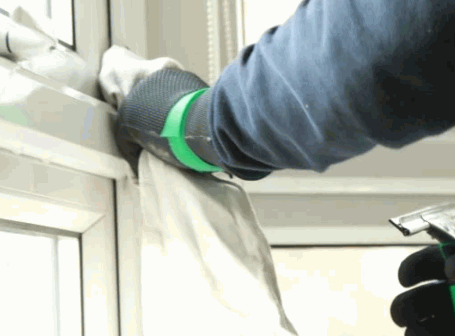
Preparing the area prior to cleaning old paint off uPVC window frames is essential to ensure both safety and efficiency. It is advisable to begin by removing any furniture or obstacles located near the windows and covering the surrounding surfaces with drop cloths to protect them from paint splashes and debris. Wearing protective gloves is recommended to shield the hands from harsh chemicals and paint splashes, while the use of painter’s tape can help safeguard any areas that should not come into contact with the paint remover. Additionally, having a cleaning cloth readily available will facilitate the removal of any excess residue during the process.
Investing time in proper workspace preparation not only enhances safety but also maximizes efficiency, thereby streamlining the cleaning process. The following essential steps should be implemented:
- Organizing the workspace: Ensure that the area around the windows is free of clutter and obstacles, whether you are in Glasgow or elsewhere. This practice allows for unrestricted movement and reduces the risk of accidents.
- Use protective coverings: Plus drop cloths, consider covering adjacent furniture with plastic sheets for added protection against paint splashes.
- Prioritizing safety gear: Equip yourself with safety goggles to shield your eyes from splashes. Protective gloves are crucial for safeguarding your hands, and a mask may be beneficial if the area is not well-ventilated.
- Applying painter’s tape carefully: This ensures that the paint remover is effective only on the intended surfaces, thus preserving the integrity of the frame and the surrounding paint job.
By adhering to these precautions, one will not only establish a safer working environment but will also achieve superior results when addressing the removal of old paint.
Step 2: Remove Loose Paint
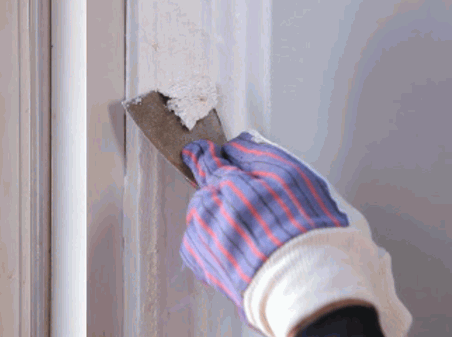
The subsequent step in the process of removing old paint from uPVC window frames involves the careful elimination of any loose paint that may be flaking or peeling, which can be a simple DIY task. This task is most effectively executed using a scraping method, which may include the use of a putty knife or a specialized paint scraper to gently lift away the loose paint without compromising the integrity of the underlying uPVC surface. It is imperative to remove as much of the loose paint as possible, as this will facilitate a more uniform application of any chemical paint remover, such as those available for double glazing, or paint stripper in the subsequent steps.
Caution is essential during this task, ensuring that the scraping tool is held at the appropriate angle to avoid gouging the uPVC material. Adhering to proper technique is crucial; therefore, the following recommendations should be considered:
- Initiate the process with a plastic paint scraper for delicate areas to minimize the risk of scratches and enhance the effectiveness of the scraping method.
- Utilize a putty knife for sections with more persistent paint, applying gentle pressure.
- Work in small segments to concentrate efforts and achieve thorough cleanup.
It is advisable to always wear protective equipment, such as gloves and goggles, as tiny paint chips may become airborne. Once the scraping is complete, it is important to inspect the surface meticulously, as any remaining paint particles could lead to complications in future paint applications.
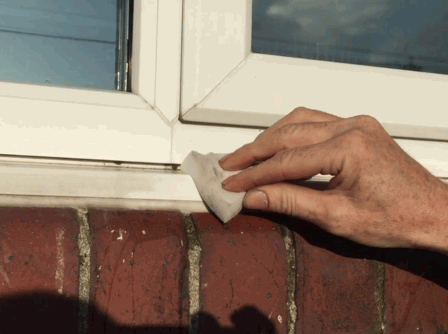
Step 3: Apply Paint Stripper
Once the loose paint has been removed, the next step is to apply a paint stripper or a chemical paint remover specifically formulated for uPVC windows, whether tackling a DIY project or enlisting professional help. It is essential to meticulously follow the manufacturer’s instructions for application, ensuring even coverage over the areas where paint remains. This step is vital, as these chemical solutions function by breaking down the bond of the old paint, thereby facilitating its removal in the subsequent stage. It is imperative to wear protective gloves and ensure adequate ventilation during the application of the paint stripper for safety.
Effectively applying a paint stripper requires careful attention to detail in order to achieve optimal results. Begin by selecting an appropriate application tool, such as a brush or cloth, that allows for thorough distribution of the product.
It is important to apply the stripper liberally to areas with stubborn paint, allowing sufficient time for it to penetrate the surface. As the solution works, one should monitor the paint’s reaction and be prepared for multiple applications if necessary.
Prioritizing safety is crucial; always work in a well-ventilated area and consider using a mask to avoid inhaling potentially harmful fumes. It is advisable to have water or a neutralizing agent readily available to address any accidental skin contact with the paint stripper.
Adhering to these precautions not only ensures personal safety but also enhances the overall efficiency of the paint removal project.
Step 4: Scrape Off Paint
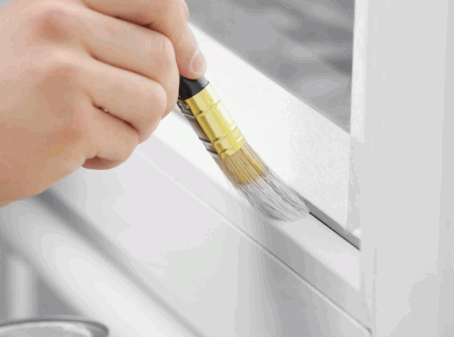
In this step, it is important to meticulously remove the loosened paint from the uPVC window frames using a paint scraper or an appropriate scraping tool. Begin at one corner and proceed methodically across the surface, ensuring that as much paint as possible is removed without applying excessive pressure that could potentially damage the frame. When executed correctly, the scraping method should result in a relatively clean surface, thus preparing it for subsequent cleaning or repainting if desired.
Achieving a clean finish is paramount, and this process necessitates a gentle approach combined with systematic movements, particularly important for maintaining the integrity of double-glazing installations. While scraping, it is advisable to maintain an even pace to avoid gouging the surface of the frame, as this could lead to more significant damage requiring additional repair efforts.
To effectively employ the scraping technique, consider the following recommendations:
- Utilize a sharp blade to ensure efficient paint removal.
- Maintain the scraper at a low angle to the surface for enhanced access to the paint.
- Take periodic breaks to assess your progress, ensuring that you remain on track to achieve a clean base.
By implementing these strategies, the efficacy of the scraping efforts will be enhanced, adequately preparing the uPVC window frames for the next stage, whether it involves cleaning or painting.
Step 5: Clean The Frames
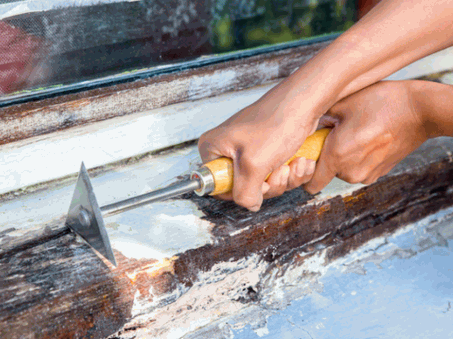
Once the old paint has been meticulously scraped off, it is essential to thoroughly clean the frames using warm soapy water, isopropyl alcohol, or a specialized PVC cleaner. This step is crucial for removing any remaining paint residue and preparing the surface for the final treatment. A soft cloth or sponge should be employed to wash the frames, ensuring that all areas are adequately covered.
After cleaning, rinse the frames with clean water and dry them completely to prevent any moisture from adversely affecting the restoration process.
Following this initial cleaning, it is imperative to inspect the frames for any lingering imperfections or debris that may have been overlooked. A pointed tool, such as a soft-bristled brush, can be utilized to access tight corners or crevices where dirt may accumulate. For homeowners, a DIY remedy such as a mixture of vinegar and water can be an effective solution.
For particularly stubborn residues, the application of a high-quality degreaser is recommended to ensure that the surface is pristine and ready for any further treatment. Once the cleaning process is complete, it is advisable to allow the frames to air dry thoroughly before proceeding with additional preparations. This approach not only enhances the effectiveness of subsequent coatings but also ensures that the final finish adheres properly, resulting in a durable outcome. It is crucial to remember that a clean surface is vital to achieving the desired results.
Recommended materials:
- Warm soapy water for general cleaning.
- Specialized PVC cleaner for a thorough cleanse.
- Soft cloths or sponges to avoid scratches.
- High-quality degreaser for stubborn spots.
- Soft-bristled brushes for detailed cleaning.

Step 6: Rinse And Dry With DIY Methods
The final step in the maintenance of uPVC window frames involves rinsing them with clean water and thoroughly drying them using a soft cleaning cloth. This step is essential, as it prevents the formation of water spots or residue that could detract from the overall appearance of the frames. It is important to ensure that all cleaning solutions and remnants are completely eliminated, as any residue left behind may interfere with future painting or sealing processes.
To execute this rinsing and drying process effectively, begin by directing a gentle stream of water over the entire surface of the frames, allowing all cleaning agents to wash away completely. Proper rinsing is critical for preserving the delicate finish of the uPVC material and enhancing its longevity. Subsequently, utilize a soft, lint-free cloth for drying to minimize the risk of scratches and promote a streak-free shine.
- It is important to reach all corners and crevices to avoid any moisture accumulation.
- Make it a routine to perform this rinsing and drying after every deep clean to maintain optimal aesthetics.
Diligent rinsing and drying not only protect the frames but also play a vital role in sustaining the attractive appearance that homeowners desire from their uPVC windows.
What Are The Alternative Methods For Removing Old Paint From uPVC Window Frames?
Plus conventional methods of paint removal, there are several alternative techniques available for effectively removing old paint from uPVC window frames. These methods include the use of a heat gun, which softens the paint for easier removal, and the application of chemical paint removers that are specifically formulated for uPVC materials. Products like Peel Tec and brands such as C-Tec are renowned for their effectiveness in this regard.
Each method presents its own advantages and disadvantages, making it crucial to select the appropriate technique based on the specific conditions and the extent of paint buildup on the frames.
Using A Heat Gun
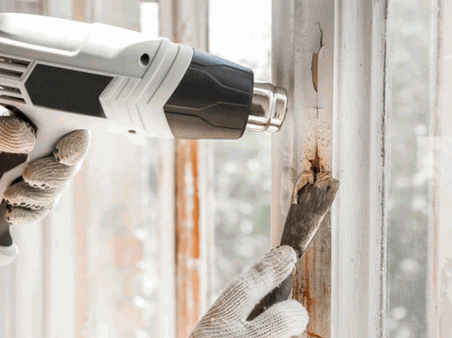
Utilizing a heat gun is a highly effective technique for the removal of old paint from uPVC window frames. This method operates by heating the paint until it softens, thereby facilitating its removal through scraping. However, it is crucial to handle the heat gun with care to prevent overheating the uPVC material, which may result in warping or damage. When employing a heat gun, one should maintain a safe distance and keep the device in constant motion to evenly distribute heat across the surface. This approach allows for efficient paint removal while minimizing the risk to the windows.
To ensure a successful paint removal process, it is essential to adopt a systematic approach that emphasizes safety precautions and efficiency. Begin by preparing the work area, ensuring adequate ventilation by opening windows or using fans to disperse any fumes released during the heating process. It is advisable to don appropriate safety gear, including heat-resistant gloves and goggles, to protect against accidental burns or irritation.
- Ahead of applying heat, it is prudent to test the heat gun on a small, inconspicuous area to determine the appropriate settings.
- While working, maintain the heat gun approximately 10-12 inches from the surface and keep it in motion to avoid the formation of hot spots.
Once the paint begins to bubble or soften, employ a high-quality scraper to gently lift the paint away. It is important to exert a steady but light pressure, as excessive force may gouge the uPVC frame.
After completing the paint removal process, thoroughly clean the surface to prepare it for repainting or further restoration.
Using Chemical Paint Removers: A Glasgow Perspective
Chemical paint removers, such as those available from UK Trade Windows and Doors in Glasgow, present a highly effective solution for removing old paint from uPVC window frames, delivering significant results with reduced manual effort.
These products function by utilizing specialized solvents that penetrate and deconstruct the paint’s chemical composition, thereby enabling easier removal with a scraper. While these removers are highly effective, it is important for users to be cognizant of certain safety concerns associated with their use. Adequate ventilation is crucial, as the fumes can pose health hazards.
The use of personal protective equipment, such as gloves and goggles, is strongly advised to prevent skin and eye irritation. To achieve optimal results, it is essential to select a formulation specifically labeled as safe for uPVC surfaces and accompanied by comprehensive application instructions.
- Several options, including biodegradable alternatives, may be available, which tend to be less harmful to the environment.
- Choosing a product tailored to the specific requirements of the project can enhance the efficiency of the paint removal process without compromising the integrity of the uPVC frames.
- When employing these removers, it is imperative to adhere closely to the manufacturer’s guidelines to maximize effectiveness and minimize potential damage.
Precautions To Take When Cleaning Old Paint Off uPVC Window Frames
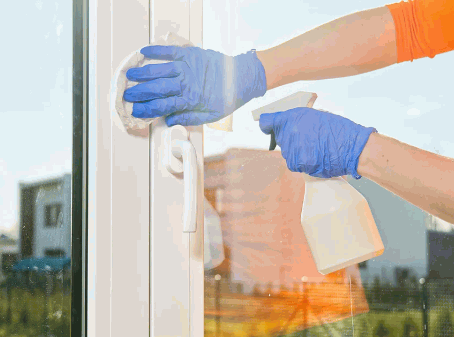
When removing old paint from uPVC window frames, it is imperative to take specific precautions to safeguard both personal safety and the integrity of the windows. It is essential to wear protective gloves to protect the skin from harsh chemicals and irritants during the cleaning process.
Furthermore, it is advisable to work in a well-ventilated area to reduce exposure to potentially harmful fumes emitted by paint strippers and chemical removers. By adhering to these safety measures, individuals can effectively clean the windows without jeopardizing their health or the quality of the uPVC material.
Tips For Maintaining Clean uPVC Window Frames
Maintaining clean uPVC window frames is crucial for preserving both their appearance and functionality, significantly contributing to the overall curb appeal of a residence. Regular cleaning not only prevents the accumulation of paint but also protects the frames from the buildup of dirt and grime, which can affect their color and structural integrity.
By incorporating effective maintenance practices, such as utilizing a PVC cleaner and applying painter’s tape during painting to protect the frames, homeowners can ensure that their uPVC windows remain in optimal condition and retain a fresh appearance for years to come.
Conclusion
Removing old paint from uPVC window frames is not merely a matter of aesthetics; it is crucial for maintenance and functionality. By adhering to appropriate procedures and utilizing the correct tools—such as chemical paint removers, heat guns, and scrapers—homeowners can effectively restore their windows and enhance their curb appeal. Implementing regular maintenance practices can prevent future paint accumulation, thereby ensuring the longevity and visual appeal of uPVC window frames for years to come.
Maintaining the appearance and structural integrity of residential windows is essential. Regular inspections and cleaning not only extend the lifespan of uPVC windows but also significantly enhance energy efficiency. Homeowners are advised to adopt a maintenance routine that includes DIY solutions and tips from UK Trade Windows and Doors:
- Wiping down window frames with a mild detergent solution.
- Inspecting seals and gaskets for signs of wear or damage.
- Promptly addressing any imperfections to prevent further deterioration.
Particular care should be taken regarding the tools utilized for paint removal, as improper techniques may result in damage to the frame. Employing safe practices will not only protect the functional efficiency of the windows but also enhance the overall aesthetic value of the home.