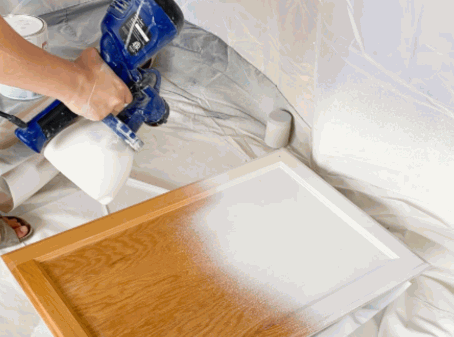
Transforming a kitchen represents both a rewarding and challenging undertaking, particularly when it involves the update of cabinetry. Spray painting kitchen cabinets have gained popularity due to its cost-effectiveness and impressive results; however, it is essential to understand the associated costs. This article examines the various factors that influence the pricing of spray painting, including the size and condition of the cabinets, as well as labor costs and materials. Additionally, it outlines the advantages of this method, offers guidance on selecting the appropriate professional service, and highlights crucial preparation steps necessary for ensuring a successful project. By the conclusion of this article, readers will have a comprehensive understanding of whether spray painting their kitchen cabinets is a suitable choice.
Explore further: How To Clean Old Paint Off uPVC Window Frames
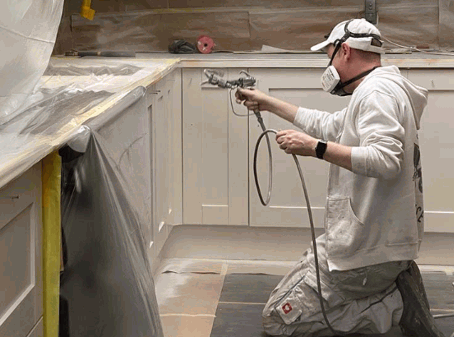
Factors That Affect The Cost Of Spray Painting Kitchen Cabinets
When evaluating the cost of painting kitchen cabinets, homeowners must consider several key factors that significantly affect overall expenses. These factors include the size and quantity of the cabinets, their current condition, the type of paint selected, and associated labor costs.
Additionally, a comprehensive understanding of cabinet painting costs can assist homeowners in making informed decisions, particularly when planning kitchen remodels. The quality of paint and color selection not only influence the aesthetic appeal but also affect the durability and maintenance requirements of the finished surfaces.
It is essential to analyze these elements carefully to ensure the success of the cabinet painting project.
Size And Number Of Cabinets
The size and quantity of kitchen cabinets are critical factors in determining the overall cost of a cabinet painting project, as these elements directly influence the linear footage of cabinets that must be painted.
In larger kitchens, the presence of a significant number of cabinets not only increases the scope of work but also presents unique challenges in achieving an even, high-quality finish. With more surfaces to cover, the dimensions and quantity of cabinets considerably impact labor requirements, often necessitating additional time for surface preparation and multiple coats of paint.
- A larger number of cabinets will result in a greater volume of paint required, which can consequently lead to increased material costs.
- This situation necessitates careful consideration of both the time invested by skilled professionals and the potential for higher labor costs associated with extended project timelines.
Therefore, for individuals contemplating a cabinet painting project, it is essential to understand how kitchen size correlates with overall expenditures for effective budgetary planning.
Condition Of Cabinets
The condition of the kitchen cabinets significantly influences the overall cost of painting, as any necessary repairs or preparatory work will contribute to the total expenses.
When assessing cabinets, it is essential to identify signs of wear, such as peeling paint, water damage, or structural issues. These indicators not only signify potential repair costs but also determine the level of preparation required. A comprehensive inspection may reveal the necessity for sanding, priming, or even replacing certain components, making it imperative to address these underlying issues prior to commencing any painting work.
Such preparatory efforts also affect the selection of paint, as different cabinet materials may necessitate specific products to ensure proper adhesion and durability.
- If the existing finish is in poor condition, it may be necessary to remove it entirely.
- Selecting high-quality paints specifically designed for cabinetry can ultimately reduce costs over time.
Understanding the condition of the cabinets allows for a more accurate estimation of both time and financial commitments, thereby ensuring a successful project outcome.
Type Of Paint Used
The selection of paint for kitchen cabinets, including the decision between various types of cabinet paints and the quality of the paint, significantly impacts both the final appearance and durability of the finish.
Investing in high-quality paints not only enhances aesthetic appeal but also ensures longevity, providing protection against common kitchen challenges such as humidity and frequent cleaning. While less expensive alternatives may initially seem attractive, they often yield inferior results that can necessitate repairs or repainting sooner than anticipated.
High-quality paints offer superior adherence properties and more vibrant colors that resist fading over time. To achieve optimal results, it is also imperative to consider the proper application of primer and top coats, which serve as essential layers that enhance the overall finish.
- Primer establishes a strong foundation for the paint, ensuring better adhesion and a uniform appearance.
- Top coats provide additional durability and protection against scratches and stains.
By prioritizing these factors, homeowners can ensure that their kitchen cabinets not only achieve a beautiful aesthetic but also possess the durability to withstand the test of time.
Labor Costs
Labor costs constitute a substantial portion of the total expenses associated with painting kitchen cabinets, and these costs can vary significantly based on hourly labor rates and the fees charged by professional painters.
The geographical location is a critical factor in determining these labor costs, as regional market demand and living expenses contribute to differing rates. For example, urban areas typically exhibit higher costs due to increased demand and a higher cost of living, whereas rural regions may provide more economical pricing alternatives.
The complexity of the cabinet painting project greatly influences the time and effort required for completion. Elements such as the type of cabinetry, existing finishes, and preferred paint options can affect both the labor intensity and duration of the project. This consideration leads to the choice between hiring professionals and undertaking a do-it-yourself (DIY) approach:
- Advantages of Hiring Professionals: Assurance of quality workmanship, time savings, access to specialized tools, and the benefit of expert advice.
- DIY Efforts: Potential for cost savings, a sense of personal fulfillment, and flexibility in scheduling.
Ultimately, evaluating both the complexity of the project and the associated labor costs will assist homeowners in making informed decisions that align with their financial parameters and expectations.
Additional Services
Additional services, such as hardware upgrades or specialized painting techniques, can significantly impact the overall costs associated with painting kitchen cabinets.
When contemplating an upgrade, homeowners may discover that the selection of cabinet hardware can greatly enhance the aesthetic and ambiance of their kitchen. Fixtures such as handles, knobs, and pulls are offered in a wide array of materials and finishes, including brushed nickel and antique brass, which can impart an element of elegance and modernity.
While these hardware upgrades typically range from $2 to $20 each, the total expense can accumulate rapidly, depending on the number of cabinets involved.
For example, if one chooses to update the hardware for 15 cabinets at an average cost of $10 each, this would add $150 to the initial painting budget. Furthermore, specialized painting techniques, such as distressing or glazing, may incur additional labor costs, potentially ranging from $500 to $1,000, depending on the complexity of the desired finish. This investment not only enhances the kitchen’s aesthetic but also has the potential to increase resale value, making it a prudent consideration.
- Hardware upgrades can significantly alter the visual appeal.
- Estimated costs for painting services generally vary based on the scope and details involved.
Ultimately, integrating these enhancements ensures a kitchen space that is both beautiful and functional, reflecting personal style while providing long-term value.
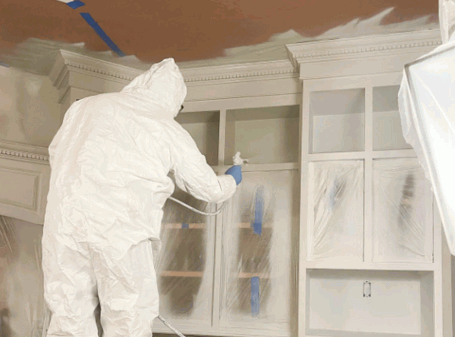
Benefits Of Spray Painting Kitchen Cabinets
Spray painting kitchen cabinets provides numerous advantages that can significantly enhance both the aesthetic appeal and overall value of a kitchen. This approach serves as a cost-effective solution for homeowners seeking to refresh their space without undertaking a complete remodel.
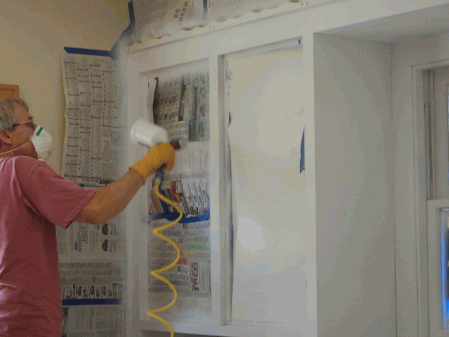
How To Choose A Professional Spray Painting Service
Selecting an appropriate professional spray painting service is essential for attaining superior quality results. Homeowners should meticulously evaluate several key factors during their decision-making process, including the reputation of the professional painters and the quality of the materials utilized.
Experience And Expertise
The experience and expertise of professional painters are essential for ensuring a flawless execution of the painting process, characterized by meticulous attention to detail and adherence to established best practices.
In the realm of cabinet painting, engaging seasoned professionals can significantly enhance the quality of the final outcome. These experts possess a comprehensive understanding of various painting techniques, including spray painting, brush application, and rolling methods, which enables them to adopt a tailored approach based on the specific cabinet material and the desired finish.
- Spray painting delivers a smooth, even coat that effectively minimizes the appearance of brush strokes.
- Brush application offers greater control in intricate areas, ensuring precision and accuracy.
- Rolling is often employed for large, flat surfaces, promoting efficiency while still achieving a satisfactory finish.
Ultimately, the sound judgment exercised by experienced painters ensures that every step of the project aligns with the homeowner’s vision while enhancing the durability and aesthetic appeal of the cabinetry.
Quality Of Materials Used
The quality of materials utilized in the cabinet painting process, including paint and primers, plays a crucial role in determining the durability and finish of the kitchen cabinets, which impacts both the kitchen cabinet aesthetics and value.
When homeowners evaluate their options, they frequently consider the advantages and disadvantages of high-quality paint in comparison to lower-quality alternatives. Investing in superior paint can significantly enhance the overall aesthetic appeal, providing a richer color and smoother finish that is less susceptible to chipping or fading over time. High-quality products generally offer improved adhesion and paint coverage, which translates to a reduced number of coats required, ultimately resulting in lower labor costs during the application process.
- Enhanced durability leads to reduced maintenance frequency.
- Higher-grade materials may yield a better resale value.
- Long-lasting finishes mitigate the remediation costs associated with repainting or touch-ups.
By opting for quality materials, individuals not only secure an appealing appearance but also contribute to the longevity of the cabinets, thereby minimizing expenses related to ongoing maintenance and additional costs of painting in the future.
Customer Reviews And Recommendations
Customer reviews and recommendations provide invaluable insights when selecting a professional spray painting service, assisting homeowners in evaluating the reliability and quality of the services offered. This feedback is especially important for those considering DIY vs professional options for their cabinet painting projects.
In the realm of home improvement, the decision to hire a professional service should be approached with careful consideration. It is imperative for homeowners to actively seek feedback from previous clients, as these testimonials often reflect genuine experiences and levels of satisfaction.
Understanding these evaluations can result in a more informed choice, thereby reducing the likelihood of disappointment.
- Look for patterns: If multiple reviews highlight a specific strength or weakness, it is advisable to pay attention to these recurring themes.
- Evaluate the ratings: A significant number of positive ratings may indicate reliability; however, it is essential to read through some lower-rated reviews to identify any potential issues.
By incorporating these insights into their decision-making process, individuals can ensure that the service they choose aligns with their expectations and project requirements. These considerations can also inform decisions about cabinet design factors and color choice impact on the overall kitchen layout influence.
Steps To Prepare For Spray Painting Kitchen Cabinets
Thorough preparation is essential for achieving a successful spray painting finish on kitchen cabinets. This process includes several critical steps, such as:
- Assessing kitchen cabinet condition to determine necessary repairs.
- Cleaning and removing hardware
- Sanding and priming the cabinets
- Protecting adjacent areas
Clean And Remove Hardware
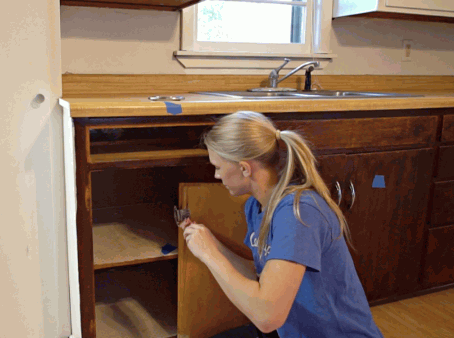
Cleaning and removing hardware from kitchen cabinets is a crucial initial step in the cabinet painting preparation process, ensuring that surfaces are free from grease and grime. This step is vital for both DIY kitchen cabinet projects and professional undertakings.
Before commencing the painting process, it is essential to invest time in thoroughly cleaning the cabinet surfaces. Begin by utilizing a mixture of warm water and a gentle dish soap to wipe down the cabinets, with particular attention to high-traffic areas that are prone to accumulating dirt and grease. After cleaning, it is advisable to dry the surfaces completely with a lint-free cloth to prevent streaks or watermarks.
Next, carefully remove the hardware, such as knobs and handles, using a screwdriver. It is important to keep all screws secure for reinstallation. This step is vital, as it facilitates improved coverage and contributes to a professional-looking finish.
The following is a concise summary of the cleaning and removal process:
- Mix warm water with dish soap.
- Wipe down each surface thoroughly.
- Dry completely with a lint-free cloth.
- Remove the hardware carefully with a screwdriver.
By adhering to these guidelines, one can ensure a smooth and flawless application of paint, ultimately achieving an impressive transformation of the cabinets.
Sand And Prime Cabinets
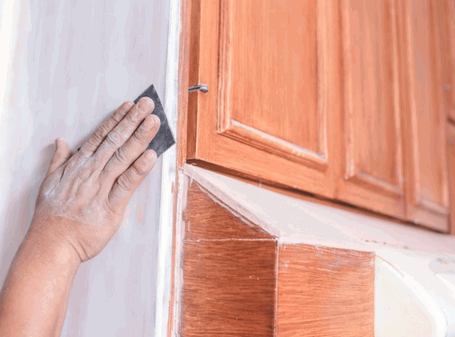
Sanding and priming cabinets is a fundamental step in achieving a smooth surface and ensuring proper paint adhesion, making it a critical component of the cabinet painting preparation process. Effective preparation can significantly reduce cabinet repair costs down the line.
Investing time in sanding the existing finish allows for the effective removal of imperfections, adhering debris, or glossy surfaces that may impede the new paint’s bonding capabilities. Employing proper sanding techniques can significantly enhance both the appearance and longevity of the cabinetry. Additionally, using a high-quality primer is essential for protecting the painted finish.
- It is advisable to select a primer specifically formulated for cabinetry, as these products are designed to endure wear and tear.
- For optimal results, consider a primer that is compatible with the specific material of your cabinets, whether they are constructed from wood, laminate, or MDF.
Ultimately, choosing the appropriate primer not only enhances adhesion but also provides protection against chipping, peeling, and fading, thereby contributing to the durability of the top coat. A well-prepared surface serves as the foundation for a beautiful and resilient finish. Proper preparation costs should be factored into the overall project time estimation and budget.
Protect Surrounding Areas
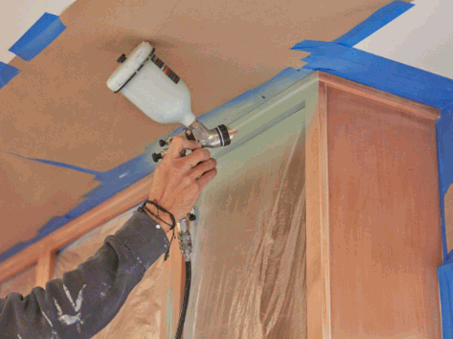
Protecting surrounding areas during a cabinet painting project is essential to prevent overspray and damage to adjacent surfaces, thereby ensuring a neat and professional outcome. This is critical whether considering DIY kitchen cabinet painting or hiring professionals.
Dedicating time to adequately safeguard these areas will not only enhance the overall aesthetic appeal but also facilitate a smoother and more efficient painting process. The following practical steps should be considered:
- Use Painter’s Tape: Apply painter’s tape along the edges of the cabinets and adjacent walls to create a clean line and prevent paint bleeding.
- Drop Cloths: Utilize drop cloths or plastic sheeting on floors and any furniture near the cabinets.
- Remove Hardware: Detach cabinet hardware and fixtures to avoid unintentional paint application on these smaller components.
This preparatory work is crucial, as it significantly minimizes the likelihood of errors and ensures that the paint job appears polished upon completion, reflecting the professional standard that homeowners seek. Such thorough preparation can also enhance the kitchen cabinet’s appeal.
Cost Breakdown Of Spray Painting Kitchen Cabinets
A comprehensive understanding of the cost breakdown for spray painting kitchen cabinets necessitates an analysis of both material costs and labor expenses, as these factors collectively contribute to the total investment required for the project. Considering the average cost to paint and the materials and labor required will help homeowners make informed decisions.
Cost Of Materials
The cost of materials, including paint and other painting supplies, is a critical consideration during the cabinet painting process and can vary significantly based on the quality of the paint selected. Evaluating painting supplies cost is crucial in determining the overall expenses.
When initiating a cabinet painting project, it is imperative to consider not only the price associated with different types of paint but also how these choices can impact the longevity and appearance of the finished product. Higher-quality paints, such as those offered by Benjamin Moore, generally provide superior coverage, exhibit increased resistance to chipping, and deliver a smoother finish compared to some lower-cost alternatives, such as Zinnser. Although the initial investment may be greater, investing in high-quality paint can ultimately result in time and cost savings, as fewer coats may be necessary and the durability may lead to less frequent repaints. Choosing the right paint type choice can also affect painting process methods and the final kitchen cabinet appeal.
- Higher Quality Paint: Typically ranges from $40 to $70 per gallon.
- Mid-Range Paint: Generally costs between $25 and $40 per gallon.
- Lower Quality Paint: Usually priced under $25 per gallon.
In conclusion, the selection of the appropriate paint brand can significantly affect the overall outcome and satisfaction with the project.
Cost Of Labor
Labor costs represent a critical factor in the overall expense of spray painting kitchen cabinets, with rates for professional painters varying significantly based on their experience and the complexity of the project. Understanding professional painter rates and hourly labor costs is essential when evaluating painting estimates.
Understanding the methodology behind labor cost calculations can assist homeowners in making informed decisions. Typically, hourly labor costs constitute the majority of expenses; however, additional fees may be incurred for specific services, such as furniture removal, painting cabinet preparation, or extensive preparation work.
Several factors influence these rates, including local market dynamics, the painter’s reputation, and the intricacy of the cabinet designs. For example, in urban areas, such as Toronto, one may encounter higher rates due to increased demand.
Hourly rate variations often correspond to the following factors:
- Location: Services in urban centers generally command higher prices.
- Experience: Established professionals typically charge more for their expertise, especially when professional painting tips and high paint quality importance are emphasized.
- Project Complexity: Detailed or intricate designs may result in additional costs.
By comprehending these elements, homeowners can navigate the landscape of spray painting services more effectively.
Conclusion: Are Spray Painting Kitchen Cabinets Worth The Cost?
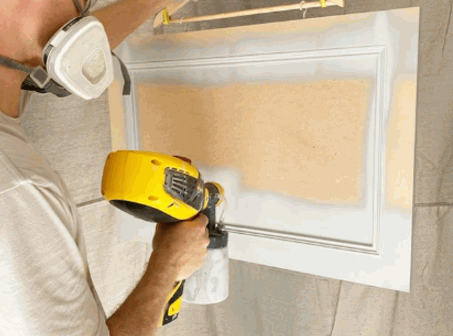
Spray painting kitchen cabinets offer a cost-effective solution for homeowners aiming to improve the aesthetics and kitchen cabinet value of their kitchens while providing several advantages over traditional cabinet refinishing methods.
By selecting spray painting, individuals can attain a flawless finish that enhances the overall appearance of their cabinetry without incurring significant expenses, thus allowing them to save money on painting. This technique not only reduces costs but also considerably shortens the time needed for a complete transformation.
- Quality materials are essential in ensuring both durability and an aesthetically pleasing result.
- Adequate preparation, including cleaning and priming surfaces, is vital to prevent paint adhesion issues and to guarantee longevity. Choosing the right cabinet paint types is also crucial.
- Spray painting provides a broad spectrum of color options, including popular paint color choices from brands like Benjamin Moore and Zinnser, allowing for customization to complement any kitchen decor.
When homeowners adopt this innovative technique, they not only elevate the appeal of their kitchens but also realize substantial savings on labor and materials, understanding the costs of painting.